

Pain & Injury

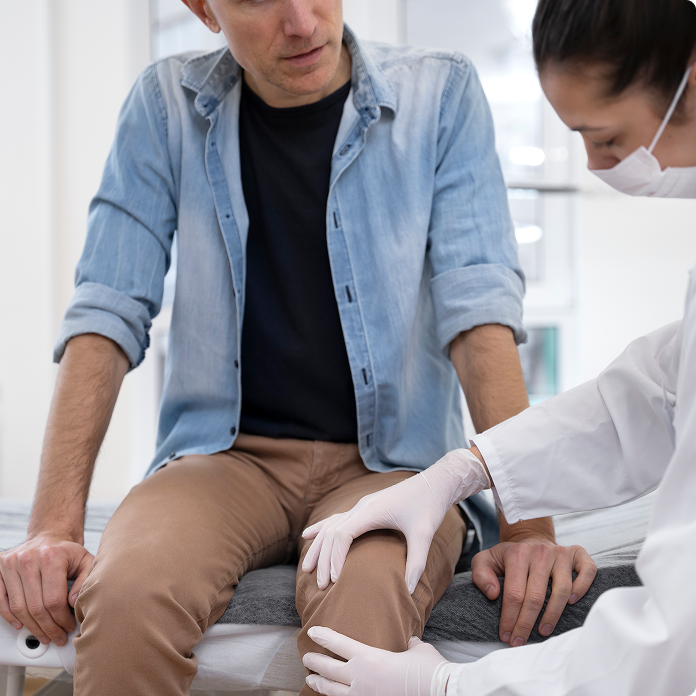
Pain & Injury treatments focus on relieving discomfort, restoring function, and supporting recovery for improved mobility and quality of life.

What Is Pain & Injury?

Pain and injury are your body’s natural signals that something needs attention. Whether it’s acute pain from a recent accident or chronic discomfort that’s lasted for months or years, pain is more than just a symptom—it’s a message. It tells you that your body’s systems are out of balance, inflamed, or struggling to heal effectively.

At Everest Regenerative Medicine, we view pain and injury through a regenerative lens. Instead of simply numbing discomfort or masking symptoms with medications, our goal is to restore optimal function by activating your body’s own repair mechanisms.
Pain may begin in the muscles, joints, tendons, or nerves—but it’s connected to deeper biological patterns, like inflammation, hormone levels, circulation, or cellular energy.
Through regenerative medicine, we work to address these root causes, helping you heal faster and return to doing what you love—stronger than before.

What Causes Pain & Injury?

Pain and injury can arise from many causes, but the underlying factor is often tissue damage or dysfunction combined with impaired healing. Some of the most common contributors include:

Overuse or repetitive stress

Everyday movements like running, lifting, or even sitting for long hours can strain muscles and joints, leading to inflammation and microtears.

Trauma or accidents

Sudden injuries from falls, sports, or auto accidents can damage ligaments, cartilage, tendons, or nerves.

Degenerative changes

As we age, tissues lose collagen, flexibility, and hydration. Conditions like arthritis or degenerative disc disease can cause chronic pain and stiffness.

Inflammation and immune imbalance

Chronic inflammation can damage tissue and delay healing.

Hormonal and metabolic factors

Low hormones (like testosterone, estrogen, or growth hormone) can slow tissue recovery and increase pain sensitivity.

Nerve irritation or dysfunction

Sometimes pain originates from nerve compression or misfiring, not just from the injured area.

Poor circulation or cellular oxygenation

Without proper blood flow, tissues don’t get enough nutrients or oxygen to repair themselves.

At Everest, we don’t just look at where you hurt—we investigate why you hurt. By identifying the root cause, we can help your body heal itself more effectively.

What Symptoms Will I Experience with Pain & Injury?

In chronic conditions, symptoms may fluctuate—some days better, some worse—but without addressing the underlying cause, the pain often returns or worsens over time.
At Everest Regenerative Medicine, our goal is not only to reduce these symptoms but also to restore balance, strength, and function to prevent re-injury and long-term degeneration.

Pain and injury can manifest differently depending on which tissues are affected and how long you’ve had the problem. Some of the most common symptoms include:

Sharp, stabbing, or dull aches in muscles or joints

Swelling, redness, or warmth in the injured area

Limited range of motion or stiffness, especially after rest

Weakness or instability in the affected area

Radiating or nerve-like pain (burning, tingling, or numbness)

Chronic fatigue or compensatory pain in other parts of the body

Popping or clicking sounds during movement

What Should I Try at Home Before Seeing a Provider for Pain & Injury?

Before scheduling a medical appointment, there are several things you can do at home to support your body’s healing process:

Rest and modify activity

Avoid movements that aggravate pain, but don’t stay completely immobile. Gentle mobility helps blood flow and prevents stiffness.

Apply ice or heat as appropriate

Ice can reduce acute inflammation within 48 hours of injury; heat helps relax chronic tightness and improve circulation.

Stay hydrated

Water supports joint lubrication and tissue recovery.

Optimize nutrition

Anti-inflammatory foods like berries, greens, omega-3s, and lean proteins can help reduce swelling and promote repair.

Over-the-counter supports

Temporary use of NSAIDs can reduce pain, but they don’t fix the root cause and should not be relied on long-term.

Gentle stretching or physical therapy exercises

Once pain starts to decrease, gentle stretching helps maintain mobility and prevent compensations.

Prioritize sleep

Growth hormone, which aids healing, is produced during deep sleep.

If pain lasts longer than a few weeks, becomes severe, or limits daily function, it’s time to consult a provider who specializes in regenerative and functional care—not just symptom suppression.

Best Treatment Options for Pain & Injury

At Everest Regenerative Medicine, we specialize in non-surgical, science-backed therapies designed to help your body heal itself. Depending on your condition, our treatment options may include:

Platelet-Rich Plasma (PRP) Therapy

PRP uses a concentrated form of your own blood plasma—rich in platelets and growth factors—to accelerate the healing of tendons, ligaments, muscles, and joints. It’s natural, powerful, and proven to stimulate new tissue growth.

Exosome Therapy

Exosomes are microscopic messengers derived from stem cells that help direct cellular communication. They promote regeneration, reduce inflammation, and support tissue repair—making them a cutting-edge option for chronic injuries or degeneration.

Ozone Therapy

Medical ozone helps improve oxygen utilization, circulation, and anti-inflammatory balance—ideal for chronic pain, slow-healing injuries, or fatigue.

Peptide Therapy

Peptides are short chains of amino acids that signal your body to regenerate tissue, reduce inflammation, and support recovery at the cellular level.

Hormone Optimization & IV Nutrient Therapy

Sometimes pain and poor recovery stem from systemic imbalances. Restoring optimal hormone levels and providing cellular nutrients through IV therapy can enhance your body’s ability to repair and restore balance.

Functional Movement & Rehabilitation

As you heal, our team supports you with personalized rehab strategies to restore strength, flexibility, and movement patterns—reducing the risk of future injury.

Every plan is customized, evidence-based, and built around your unique biology, goals, and lifestyle.

Our Process for Treating Pain & Injury

At Everest Regenerative Medicine, we believe healing is a partnership. Here’s what our process looks like:

Consultation & Listening

We begin with a comprehensive conversation—understanding your symptoms, medical history, lifestyle, and goals. You’re not a chart number—you’re a person with a story.

Evaluation & Diagnosis

Our team uses advanced diagnostic tools (imaging, lab testing, functional assessments) to pinpoint the root cause of your pain or injury—not just where it hurts, but why.

Personalized Treatment Plan

Based on your evaluation, we develop a customized plan that may include regenerative therapies (PRP, exosomes, ozone), lifestyle support, and rehabilitation strategies.

Treatment & Regeneration

Your therapy is performed with precision and care. These minimally invasive procedures often take less than an hour, with little to no downtime.

Monitoring & Optimization

We track your progress, adjust your plan, and integrate supportive care (nutrients, peptides, movement) to ensure optimal healing and long-term results.

At Everest Regenerative Medicine, we combine advanced technologies with compassionate expertise to help you move freely, live energetically, and feel like yourself again.