
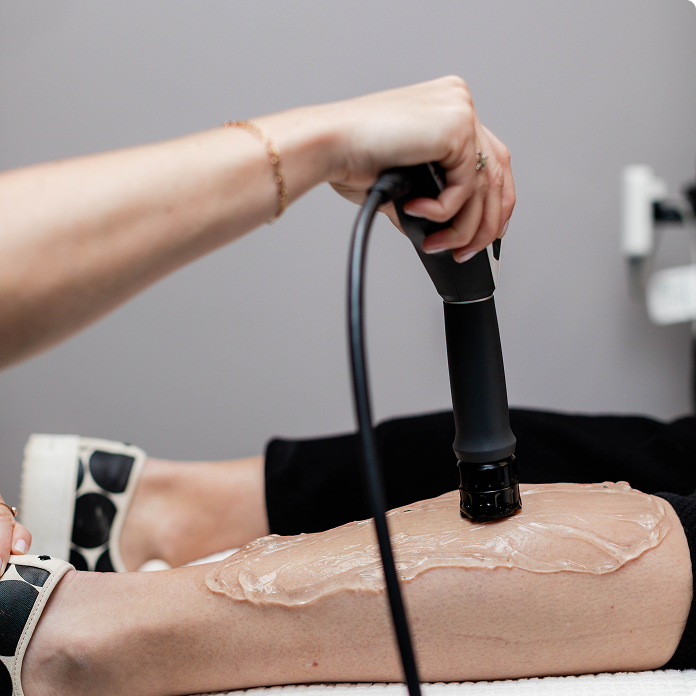

Medial Tibial Stress Syndrome (Shin Splints): Heal and Strengthen from the Ground Up

Medial Tibial Stress Syndrome (Shin Splints) treatment supports natural healing and strengthening to reduce pain and restore comfortable, confident movement from the ground up.

What Is Medial Tibial Stress Syndrome (Shin Splints)?

Medial Tibial Stress Syndrome (MTSS), commonly known as shin splints, is a painful condition that affects the front or inner part of your lower leg along the shinbone (tibia). It’s caused by inflammation and micro-damage to the muscles, tendons, and bone tissue in the lower leg, usually resulting from repetitive stress or overuse.

Shin splints are especially common among runners, dancers, athletes, and active individuals who frequently engage in high-impact or repetitive lower-body movements. While the pain may start as a dull ache, it can quickly progress into sharp, persistent discomfort if not treated properly.

At Everest Regenerative Medicine, we approach shin splints differently. Rather than just reducing pain, our goal is to stimulate tissue repair, correct the underlying dysfunction, and help your body regenerate. With advanced regenerative therapies, we help patients move beyond rest and recovery—and toward long-term resilience.

What Causes Medial Tibial Stress Syndrome?

Shin splints develop when repetitive stress causes tiny tears or inflammation in the muscles and connective tissue surrounding the tibia. Over time, this micro-trauma exceeds your body’s natural ability to heal. The most common causes include:

Overuse or repetitive stress

Running, jumping, or high-impact training without sufficient recovery.

Flat feet or high arches

Poor biomechanics cause uneven force distribution across the lower legs.

Weak stabilizing muscles

Weak calves, hips, or core muscles fail to absorb shock efficiently.

Improper footwear or hard surfaces

Shoes lacking proper support or frequent workouts on hard ground increase impact forces.

Sudden increases in activity

Rapidly boosting training volume, intensity, or duration can overload the tibia.

Tight calf or Achilles tendon

Restricted flexibility places extra strain on the tibial fascia.

Bone stress or mineral deficiency

In chronic cases, repetitive stress can evolve into stress reactions or even stress fractures.

At Everest, we look at all these contributors—including biomechanical alignment, muscle balance, nutrition, and inflammation—to create a complete healing plan, not just short-term relief.

What Symptoms Will I Experience with Shin Splints?

If ignored, shin splints can progress into stress fractures or chronic inflammation, both of which require longer recovery times. Early, proactive treatment can make all the difference—especially when the goal is to return to movement safely and sustainably.

Symptoms can range from mild irritation to severe, activity-limiting pain. Common signs include:

Dull or sharp pain along the inner edge of the shinbone

Tenderness or swelling in the lower leg

Pain that worsens during or after activity (especially running or jumping)

Discomfort that eases with rest but returns with activity

A feeling of tightness or pressure in the lower leg

In severe cases, pain may persist even during everyday movement or standing

What Should I Try at Home Before Seeing a Provider for Shin Splints?

If your shin pain is mild or recently developed, a few home strategies can help calm inflammation and support your body’s repair mechanisms:

Rest and reduce high-impact activities

Temporarily switch to low-impact movement like swimming or cycling.

Use ice therapy

Apply ice packs for 15–20 minutes after activity to decrease inflammation.

Stretch and mobilize

Gently stretch the calves, Achilles tendon, and lower leg muscles to relieve tension.

Support your feet

Wear cushioned, supportive shoes—or use orthotics if you have flat feet or overpronation.

Gradually build up activity

Avoid sudden spikes in running distance, pace, or hill work.

Check your surfaces

Avoid training on hard concrete; softer or varied terrain is gentler on the shins.

Stay hydrated and nourish

Electrolytes, protein, and adequate minerals (especially calcium, magnesium, and vitamin D) are vital for tissue repair.

If symptoms persist for more than two weeks, or if pain worsens despite rest, it’s time to see a regenerative medicine provider who can address both the tissue damage and the root cause of overuse.

Best Treatment Options for Medial Tibial Stress Syndrome

At Everest Regenerative Medicine, we combine innovative regenerative therapies with functional rehabilitation to promote deep healing—not just symptom relief.

Platelet-Rich Plasma (PRP) Therapy

PRP uses your body’s own platelets—rich in growth factors—to stimulate cellular repair, enhance circulation, and reduce inflammation. It’s ideal for persistent or recurrent shin splints where traditional therapies have failed.

Exosome Therapy

Exosomes are microscopic messengers that activate cellular regeneration and collagen repair. When applied to damaged tissue, they enhance recovery, reduce scar tissue, and support long-term resilience.

Ozone Therapy

Ozone therapy improves oxygen utilization and micro-circulation, helping restore damaged fascia and reduce chronic inflammation in the lower legs.

Peptide Therapy

Healing peptides such as BPC-157 and TB-500 can accelerate muscle, tendon, and connective tissue repair at a molecular level, supporting faster recovery and pain relief.

Functional Rehabilitation & Movement Correction

We focus on retraining biomechanics—addressing gait, posture, and stability. This ensures your muscles, tendons, and joints work together in proper alignment, preventing recurrence.

Hormone & Nutrient Optimization

Hormonal imbalances or nutrient deficiencies (like vitamin D or collagen precursors) can hinder recovery. We assess and optimize these factors to strengthen your body’s regenerative capacity.
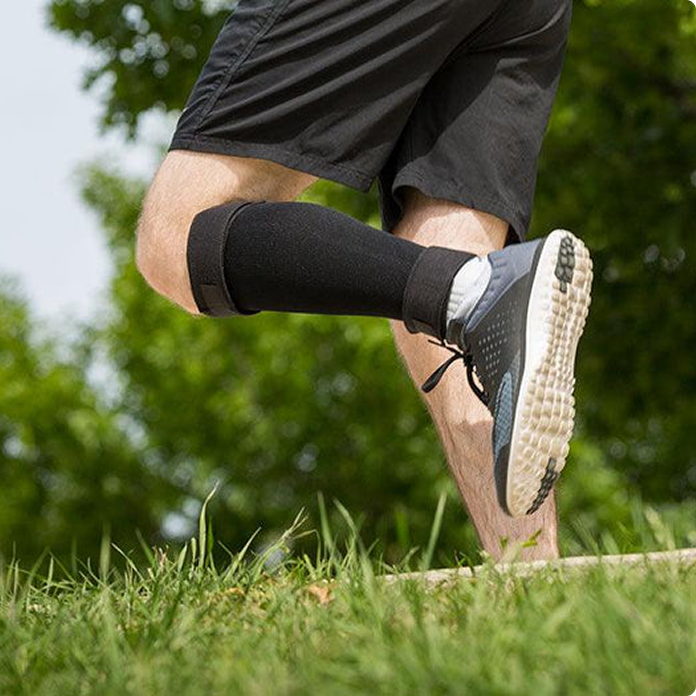
Each plan is customized to your unique body, injury severity, and lifestyle goals. Our approach is comprehensive, addressing the root causes and regeneration simultaneously.

Our Process for Treating Medial Tibial Stress Syndrome

At Everest Regenerative Medicine, healing begins with understanding. Every step of our process is personalized and designed for optimal results:

Comprehensive Consultation & Listening

We begin by hearing your full story—your activity history, pain patterns, lifestyle, and goals. You’re not a case number—you’re a partner in your recovery.

Detailed Assessment & Diagnostics

Our providers evaluate movement patterns, muscle balance, imaging (if needed), and any systemic factors that could slow healing.

Personalized Regenerative Treatment Plan

We design a treatment roadmap combining PRP, exosomes, ozone, or peptides—paired with targeted rehabilitation and lifestyle guidance.

Precise, In-Office Regenerative Procedures

Minimally invasive treatments are performed under controlled conditions, focusing on accuracy, comfort, and safety.

Active Recovery & Optimization

As tissue regeneration progresses, we guide you through corrective movement, stretching, and strengthening exercises for balanced mechanics.

Long-Term Support & Prevention

We follow up regularly to monitor healing, fine-tune your plan, and empower you with the knowledge to prevent recurrence.

At Everest, we don’t just help you recover—we help you build a stronger foundation so you can move confidently and pain-free for years to come.