
Osteoarthritis treatment encompasses a range of strategies aimed at reducing pain, improving joint function, and slowing the progression of the disease. At Everest Regenerative Medicine, we focus on advanced, minimally invasive treatments such as stem cell therapy and platelet-rich plasma (PRP) treatments. These therapies are designed to enhance the body’s natural ability to repair and regenerate damaged tissues, offering a promising alternative to traditional surgical methods and medications.
Stem cell therapy involves the use of stem cells, which are unique cells capable of transforming into various types of tissues. When injected into an osteoarthritic joint, these cells can help repair damaged cartilage and reduce inflammation.
PRP treatment utilizes the patient’s own blood, which is processed to concentrate the platelets. These platelets contain growth factors that promote healing and tissue regeneration. When injected into the affected joint, PRP can help reduce pain and improve function.


The benefits of osteoarthritis treatment at Everest Regenerative Medicine are numerous and can significantly improve a patient’s quality of life.
Both stem cell therapy and PRP treatments have been shown to reduce pain associated with osteoarthritis. By targeting the underlying causes of pain, these treatments offer a more sustainable solution compared to traditional pain medications.
Osteoarthritis can severely limit joint mobility. Regenerative treatments can help restore function, allowing patients to move more freely and engage in activities they enjoy.
Chronic inflammation is a hallmark of osteoarthritis. Regenerative therapies can help modulate the inflammatory response, reducing swelling and discomfort.
Unlike surgical options, stem cell therapy and PRP treatments are minimally invasive, involving only injections. This means shorter recovery times and less risk of complications.
At Everest Regenerative Medicine, we tailor our treatments to each patient’s unique needs, ensuring the best possible outcomes.
Osteoarthritis treatment is suitable for a wide range of individuals. However, certain factors can make someone an ideal candidate for regenerative therapies.
Patients with early to moderate stages of osteoarthritis tend to respond best to regenerative treatments. These therapies can help slow disease progression and improve symptoms before significant joint damage occurs.
For individuals looking to avoid surgery, regenerative treatments offer a viable alternative. These minimally invasive procedures can provide significant relief without the risks associated with surgical interventions.
Active individuals who wish to maintain their lifestyle despite osteoarthritis can benefit from regenerative treatments. Improved joint function and reduced pain can help them stay active and engaged in their favorite activities.


While our focus is on osteoarthritis, regenerative treatments can also address a variety of related conditions.
The knee is one of the most commonly affected joints in osteoarthritis. Stem cell therapy and PRP treatments can help repair cartilage and reduce pain in the knee joint.
Hip osteoarthritis can severely impact mobility. Regenerative therapies can provide relief and improve function in the hip joint.
Shoulder osteoarthritis can limit arm movement and cause significant discomfort. Our treatments can help restore function and reduce pain in the shoulder joint.
Osteoarthritis in the hands and wrists can make everyday tasks challenging. Regenerative therapies can help improve dexterity and reduce pain in these joints.
Before seeking professional treatment, there are several home remedies and lifestyle changes that can help manage osteoarthritis symptoms.
Regular, low-impact exercise can help maintain joint mobility and reduce stiffness. Activities such as swimming, walking, and cycling are excellent choices.
Maintaining a healthy weight can reduce the stress on weight-bearing joints, such as the knees and hips. This can help alleviate pain and slow the progression of osteoarthritis.
Non-prescription pain relievers, such as acetaminophen or ibuprofen, can provide temporary relief from osteoarthritis pain. However, these should be used with caution and under the guidance of a healthcare provider.
Applying heat or cold packs to the affected joints can help reduce pain and inflammation. Heat therapy can relax muscles and improve blood flow, while cold therapy can numb the area and reduce swelling.
Using braces or supports can help stabilize the affected joints and reduce pain during activities.

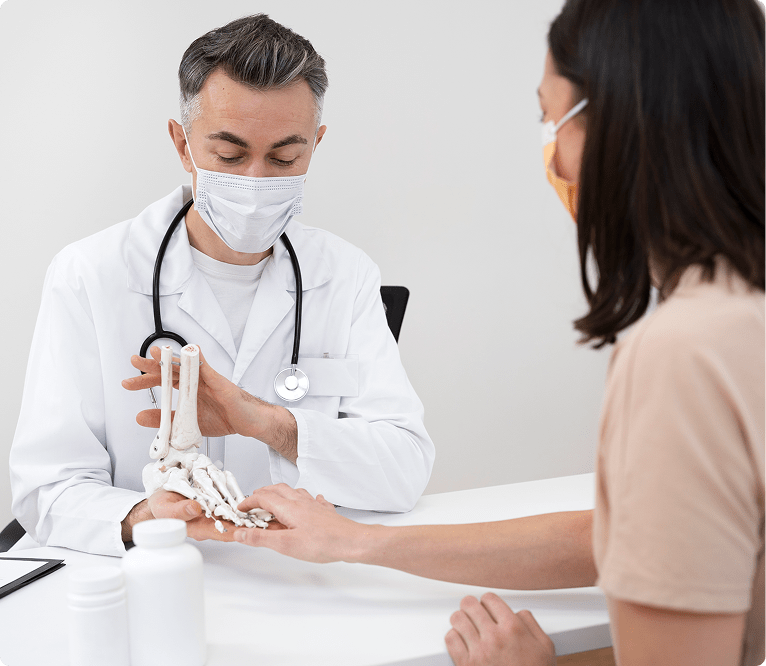
At Everest Regenerative Medicine, we take a comprehensive approach to determine if a patient is a suitable candidate for osteoarthritis treatment.
The process begins with an initial consultation, where we gather detailed information about your medical history, symptoms, and lifestyle. This helps us understand the extent of your condition and identify any underlying factors.
We may use diagnostic imaging, such as X-rays or MRI scans, to assess the severity of joint damage and determine the most appropriate treatment plan.
Based on the information gathered, we develop a personalized treatment plan tailored to your specific needs. This plan may include stem cell therapy, PRP treatments, or a combination of both.
We closely monitor your progress throughout the treatment process, making any necessary adjustments to ensure optimal outcomes. Regular follow-up appointments allow us to track your improvement and address any concerns.