
A hair transplant is a medical procedure designed to address hair loss and balding issues by surgically moving hair follicles from one part of the body, typically the back or sides of the scalp (donor area), to the balding or thinning areas (recipient area). This procedure can be performed using various techniques, such as Follicular Unit Transplantation (FUT) and Follicular Unit Extraction (FUE). The goal is to restore a natural-looking hairline and improve hair density, providing a permanent solution to hair loss.
One of the primary benefits of hair transplant procedures is the natural appearance of the results. Since the transplanted hair follicles are your own, they blend seamlessly with existing hair, ensuring a natural look.
Unlike other hair restoration methods, hair transplants offer a permanent solution. The transplanted hair follicles are resistant to the hormone DHT (dihydrotestosterone), which is responsible for hair loss, making them less likely to fall out.
Once the transplanted hair starts growing, it requires no special maintenance. You can treat it just like your natural hair, with regular washing, cutting, and styling.
While the initial cost of a hair transplant can be higher than other hair restoration methods, it is cost-effective in the long run. There are no ongoing costs for maintenance or repeated treatments.
Hair loss can have a significant impact on self-esteem and confidence. A successful hair transplant can restore not just hair, but also self-confidence and a positive self-image.

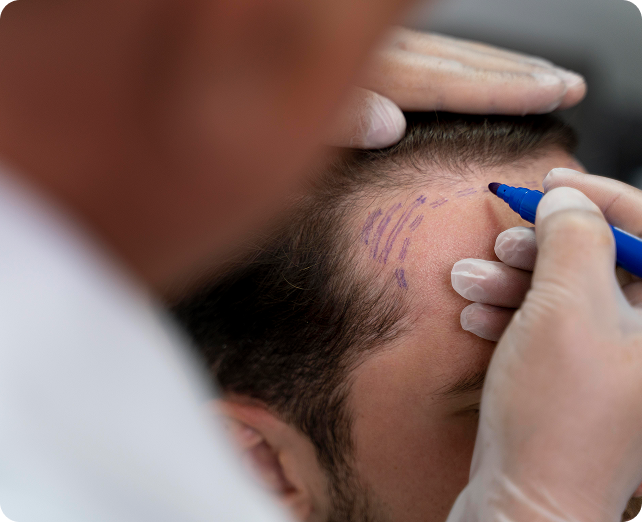
Hair transplant procedures are suitable for a wide range of individuals experiencing hair loss. However, certain factors make someone an ideal candidate:
Men experiencing male pattern baldness, characterized by a receding hairline and thinning crown, are ideal candidates for hair transplants.
Women with thinning hair or those experiencing hair loss due to hormonal changes, aging, or other factors can benefit from hair transplants.
People who have lost hair due to scarring from injuries or surgeries can also be good candidates for hair transplants.
Candidates should have a stable pattern of hair loss. If hair loss is still progressing, it might be advisable to wait until it stabilizes before undergoing a transplant.
Hair transplants are effective in treating various conditions that cause hair loss:
This is the most common form of hair loss, also known as male or female pattern baldness. It is hereditary and can be effectively treated with hair transplants.
This condition is caused by prolonged tension on the hair, often due to certain hairstyles. Hair transplants can restore hair in affected areas.
Scarring alopecia refers to hair loss caused by scarring from injuries, burns, or surgeries. Hair transplants can help restore hair in these scarred areas.
Hair loss resulting from medical treatments like chemotherapy can also be addressed with hair transplants once the patient has recovered.
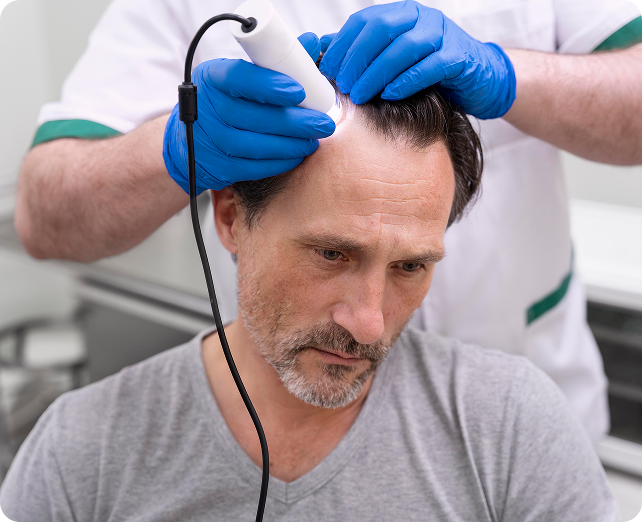
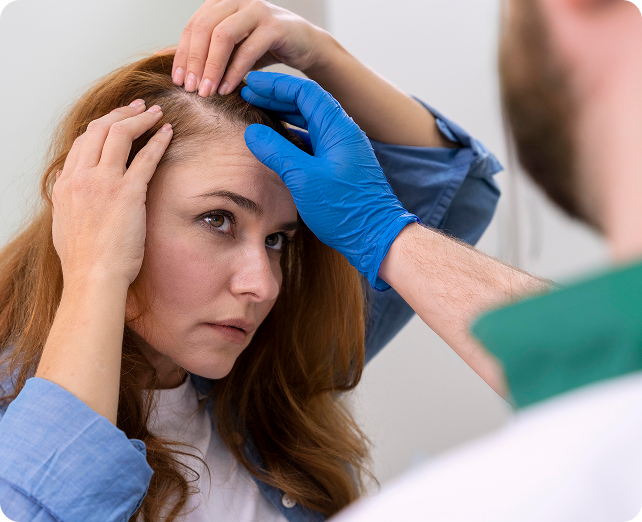
Before opting for a hair transplant, there are several at-home treatments and lifestyle changes you can try:
A balanced diet rich in vitamins and minerals, particularly those that promote hair health like biotin, zinc, and iron, can support hair growth.
Regular scalp massages can improve blood circulation to the hair follicles, promoting healthier hair growth.
Avoid hairstyles that pull on the hair, such as tight ponytails or braids, to prevent traction alopecia.
Stress can contribute to hair loss. Practices like yoga, meditation, and regular exercise can help manage stress levels.
At Everest Regenerative Medicine, we follow a comprehensive process to determine if you are a suitable candidate for a hair transplant:
During the initial consultation, our specialists will assess your hair loss pattern, medical history, and overall health to determine if a hair transplant is appropriate for you.
A thorough examination of your scalp will be conducted to evaluate the donor area and the extent of hair loss in the recipient area.
We will discuss your expectations and desired outcomes to ensure they are realistic and achievable with a hair transplant.
Based on the assessment, we will develop a customized treatment plan tailored to your specific needs and goals.
If you are deemed a suitable candidate, you will receive detailed pre-procedure instructions to prepare for the hair transplant.
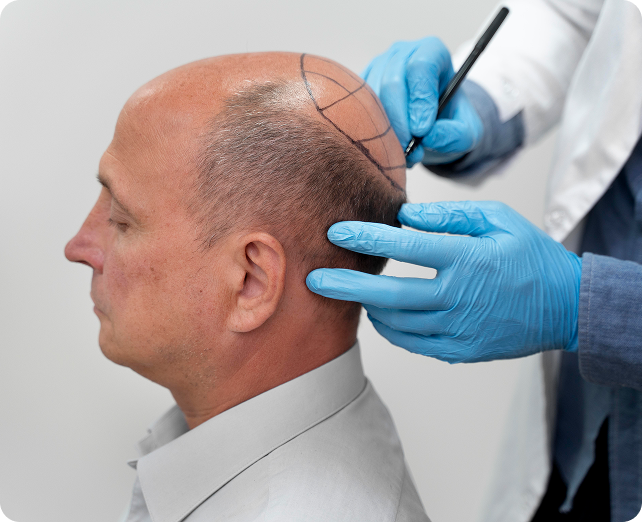

Hair transplants offer a permanent and natural-looking solution to hair loss, providing numerous benefits such as boosted self-esteem, low maintenance, and cost-effectiveness in the long run. Ideal candidates include men with male pattern baldness, women with thinning hair, and individuals with hair loss due to scarring. Before opting for a hair transplant, it is advisable to try at-home treatments and lifestyle changes. At Everest Regenerative Medicine, we ensure a thorough evaluation process to determine if you are a suitable candidate for a hair transplant, providing personalized care and cutting-edge technology to enhance your body’s natural healing processes. By choosing a hair transplant, you can restore not just your hair, but also your confidence and quality of life.