
Hair transplants offer numerous benefits, making them a popular choice for individuals experiencing hair loss. Here are some of the key advantages:
Hair transplants use your own hair follicles, ensuring that the transplanted hair blends seamlessly with your existing hair. This results in a natural appearance that is virtually undetectable.
Unlike temporary solutions such as wigs or hairpieces, hair transplants provide a permanent solution to hair loss. The transplanted hair follicles are resistant to the hormone responsible for hair loss, ensuring long-lasting results.
The procedure is minimally invasive and performed under local anesthesia, reducing the risk of complications and ensuring a quicker recovery time compared to more invasive surgical options.
Hair loss can significantly impact self-esteem and confidence. Restoring your hairline can help improve your overall sense of well-being and self-assurance.
Once the transplanted hair has fully grown, it requires no special maintenance. You can treat it just like your natural hair, including washing, cutting, and styling.

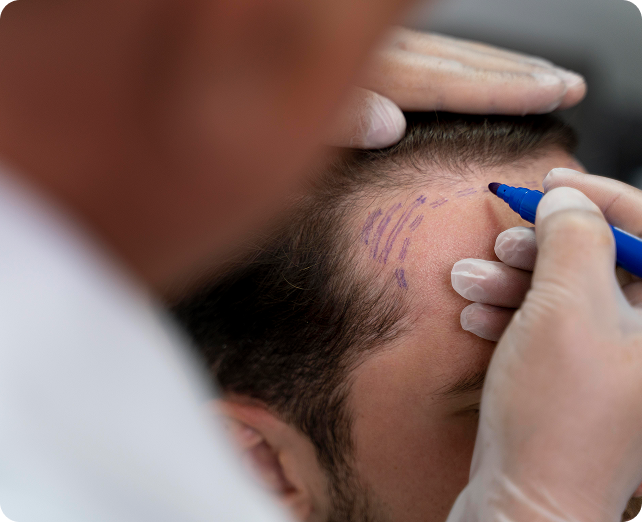
Hair transplants are suitable for a wide range of individuals experiencing hair loss. However, certain factors can influence the effectiveness of the treatment. Here are some considerations:
While there is no specific age limit for hair transplants, it is often recommended for individuals over the age of 25. This is because hair loss patterns are more predictable in older individuals, allowing for more accurate planning and better results.
Hair transplants work best for individuals with thick, dense hair in the donor area. This provides more hair follicles for transplantation and ensures better coverage in the thinning areas.
Candidates with moderate to severe hair loss can benefit from hair transplants. However, those with extensive baldness may require multiple sessions to achieve the desired results.
Good overall health is essential for a successful hair transplant. Conditions such as diabetes, hypertension, or autoimmune disorders may affect the healing process and the outcome of the procedure.
Hair transplants are effective in treating various conditions that cause hair loss. These include:
The most common cause of hair loss in men, male pattern baldness, is characterized by a receding hairline and thinning at the crown. Hair transplants can effectively restore hair in these areas.
Women experiencing thinning hair, particularly at the crown or parting, can benefit from hair transplants to achieve fuller, thicker hair.
Hair loss caused by tight hairstyles or excessive pulling can be treated with hair transplants to restore the affected areas.
Scarring from injuries, surgeries, or certain medical conditions can result in permanent hair loss. Hair transplants can help cover these scars and restore hair growth.
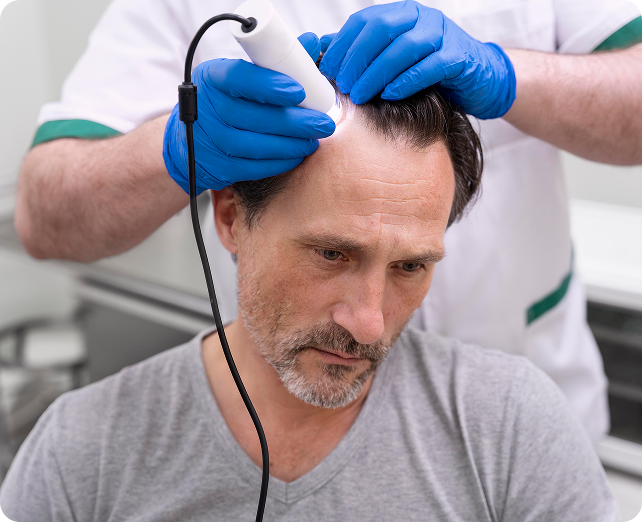
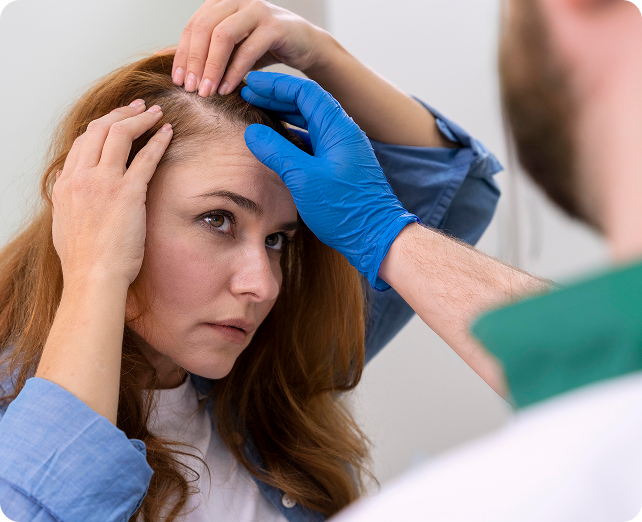
Before considering a hair transplant, there are several steps you can take at home to address hair loss. These include:
Topical solutions such as minoxidil (Rogaine) can help stimulate hair growth and slow down hair loss. These treatments are available without a prescription and can be used as a first-line defense against hair loss.
Oral medications like finasteride (Propecia) can help reduce hair loss and promote regrowth. These medications require a prescription and should be used under the guidance of a healthcare provider.
A balanced diet rich in vitamins and minerals can support healthy hair growth. Ensure you are getting enough iron, zinc, and biotin, which are essential for hair health.
Stress can contribute to hair loss. Practicing stress management techniques such as meditation, yoga, and regular exercise can help reduce stress levels and promote hair health.
Avoid harsh hair treatments and styles that can damage your hair. Use gentle shampoos and conditioners, and avoid excessive heat styling.
At Everest Regenerative Medicine, we follow a comprehensive process to determine if you are a suitable candidate for a hair transplant. Here’s what you can expect:
During your initial consultation, our experienced providers will assess your hair loss pattern, medical history, and overall health. This helps us understand the underlying cause of your hair loss and determine the best course of action.
A thorough examination of your scalp will be conducted to evaluate the donor and recipient areas. This includes assessing the density and quality of your hair follicles.
Based on the findings from your consultation and scalp examination, we will create a personalized treatment plan tailored to your specific needs and goals. This plan will outline the number of grafts required, the technique to be used, and the expected results.
Before your hair transplant, you will receive detailed instructions on how to prepare for the procedure. This may include avoiding certain medications, refraining from smoking, and following a specific hair care routine.
On the day of the procedure, you will receive local anesthesia to ensure your comfort. The hair transplant will be performed using advanced techniques to maximize the success and natural appearance of the results.
After the procedure, you will receive comprehensive post-procedure care instructions to promote healing and optimize the results. Follow-up appointments will be scheduled to monitor your progress and address any concerns.
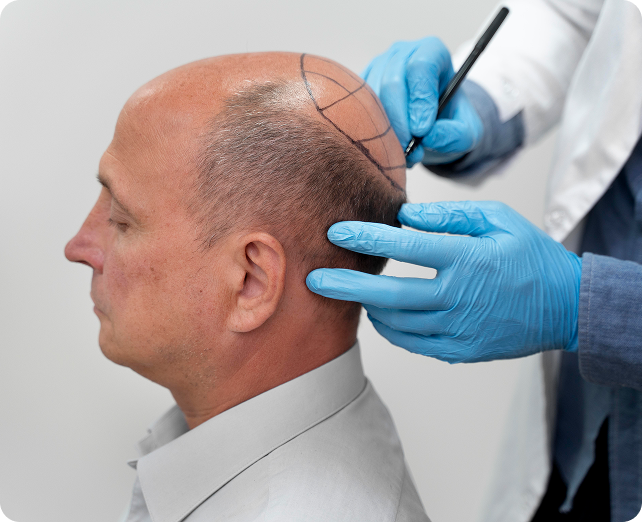

Hair transplants offer a promising solution for individuals experiencing hair loss, providing natural-looking, permanent results that can significantly enhance your confidence and quality of life. At Everest Regenerative Medicine, we are committed to delivering personalized care and advanced treatments to help you achieve your hair restoration goals. By following a comprehensive process and leveraging the latest technology, we ensure that each patient receives the highest standard of care and the best possible outcomes. For more information on hair transplants and other regenerative treatments, explore our range of services and discover how we can help you on your journey to better health and well-being.
For further reading on regenerative treatments, kindly visit our service pages.