
One of the primary benefits of hair transplant procedures is the natural-looking results they offer. Since the transplanted hair follicles are your own, they blend seamlessly with your existing hair, providing a more natural appearance compared to other hair restoration methods.
Unlike temporary solutions such as wigs or hairpieces, hair transplants offer a permanent solution to hair loss. Once the transplanted hair follicles take root and begin to grow, they continue to do so for a lifetime, providing long-lasting results.
Hair loss can significantly impact one’s self-esteem and confidence. A successful hair transplant can restore not only your hair but also your self-confidence, allowing you to feel better about your appearance and more comfortable in social and professional settings.
Transplanted hair requires minimal maintenance compared to other hair restoration methods. Once the hair has fully grown in, it can be treated just like your natural hair, eliminating the need for special shampoos or treatments.
While the initial cost of a hair transplant may be higher than other hair restoration methods, it proves to be more cost-effective in the long run. Since the results are permanent, you won’t need to spend money on continuous treatments or products.

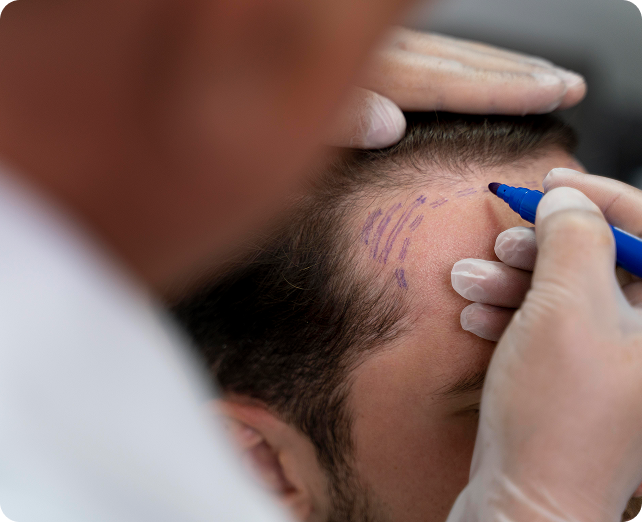
Hair transplant procedures are suitable for individuals experiencing various degrees of hair loss or thinning. Ideal candidates typically have:
Hair transplant procedures can effectively treat several conditions related to hair loss, including:
Commonly known as male or female pattern baldness, androgenetic alopecia is the most prevalent cause of hair loss. Hair transplants can restore hair in the affected areas, providing a fuller and more youthful appearance.
This condition results from prolonged tension on the hair, often due to certain hairstyles. Hair transplants can help restore hair in the affected areas, reversing the damage caused by traction alopecia.
Scarring alopecia occurs when scar tissue forms on the scalp, preventing hair growth. Hair transplants can be used to implant hair follicles into the scarred areas, promoting new hair growth.
Hair loss resulting from trauma or surgical procedures can also be treated with hair transplants. By transplanting hair follicles into the affected areas, new hair growth can be stimulated, improving the overall appearance.
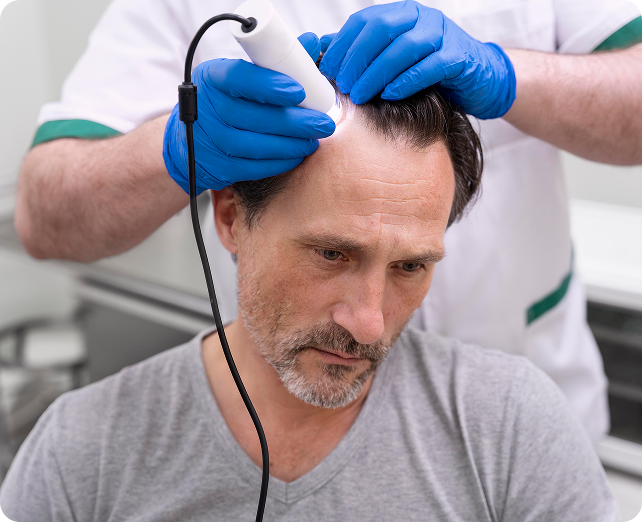
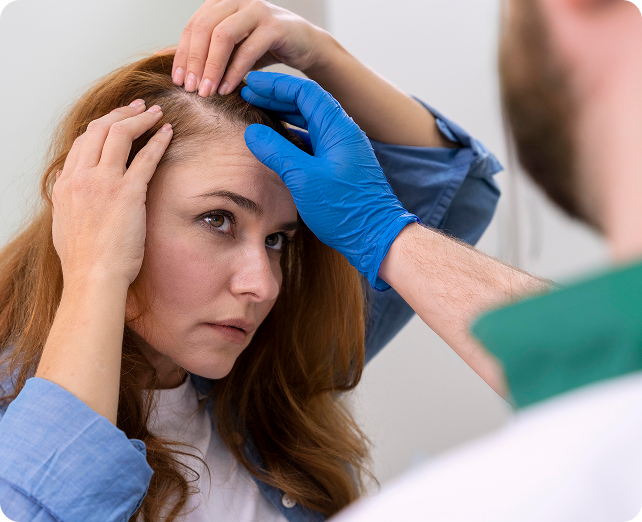
Before considering a hair transplant, there are several home remedies and treatments you can try to address hair loss:
At Everest Regenerative Medicine, we follow a comprehensive process to determine if you are a suitable candidate for a hair transplant:
During your initial consultation, our experienced medical professionals will conduct a thorough evaluation of your hair loss condition, medical history, and overall health. This helps us understand the underlying cause of your hair loss and determine the most appropriate treatment plan.
A detailed scalp examination is conducted to assess the extent of your hair loss and the availability of donor hair. This examination helps us determine the feasibility of the hair transplant procedure and the number of grafts required to achieve the desired results.
Based on the findings from the consultation and scalp examination, we create a personalized treatment plan tailored to your specific needs and goals. This plan includes details about the procedure, the expected outcomes, and the recovery process.
Before the procedure, you will receive detailed instructions on how to prepare for the hair transplant. This may include guidelines on medication, diet, and hair care practices to ensure optimal results.
On the day of the procedure, our skilled medical team will perform the hair transplant using advanced techniques to ensure minimal discomfort and maximum effectiveness. The procedure typically involves the following steps:
After the procedure, you will receive detailed post-procedure care instructions to ensure a smooth recovery and optimal results. Follow-up appointments will be scheduled to monitor your progress and address any concerns.
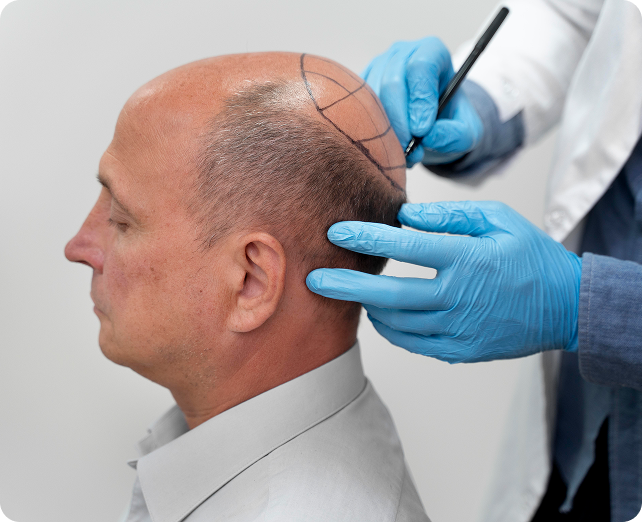

Hair transplant procedures offer a highly effective and permanent solution to hair loss, providing natural-looking results and boosting self-confidence. At Everest Regenerative Medicine, we are committed to delivering personalized care and utilizing advanced techniques to help you achieve your hair restoration goals. By understanding the benefits, suitability, and process of hair transplants, you can make an informed decision about the best treatment options for your needs.