
Hair transplant offers numerous benefits that go beyond merely addressing hair loss. Here are some key advantages:
One of the most significant benefits of a hair transplant is the natural-looking results. Since the transplanted hair is your own, it blends seamlessly with your existing hair, making it virtually undetectable.
Unlike temporary solutions such as wigs or hairpieces, a hair transplant provides a permanent solution to hair loss. The transplanted hair follicles are resistant to the hormone DHT, which is responsible for hair loss, ensuring long-lasting results.
Hair loss can significantly impact self-confidence. Restoring a full head of hair often leads to improved self-esteem and a better quality of life.
Once the transplanted hair grows in, it requires no special care. You can treat it just like your natural hair, including washing, cutting, and styling.
While the initial cost of a hair transplant may seem high, it is a one-time investment. Over time, it proves to be more cost-effective compared to ongoing expenses for temporary solutions like hairpieces or medications.

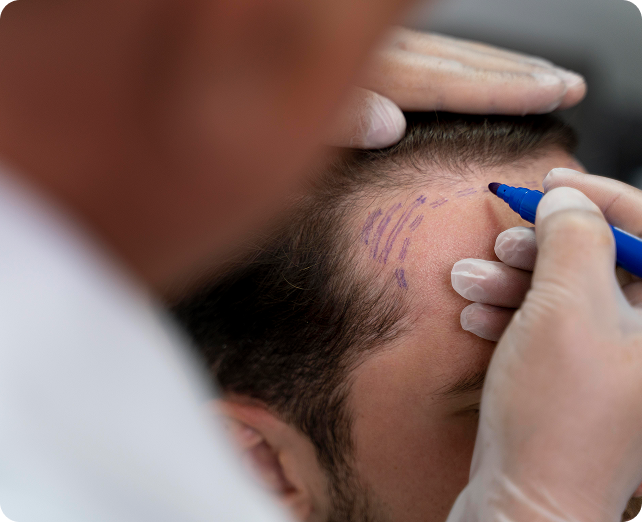
Hair transplant is suitable for both men and women experiencing various degrees of hair loss. However, certain factors determine whether you are an ideal candidate for this procedure:
While there is no specific age limit for hair transplant, candidates should be at least 25 years old. Younger individuals may still be experiencing hair loss progression, making it challenging to predict the final pattern of hair loss.
Individuals with thicker hair tend to achieve better results as the transplanted hair provides more coverage. However, people with different hair types can also benefit from the procedure.
Candidates should be in good overall health. Chronic conditions like diabetes or autoimmune diseases may affect the healing process, so it’s essential to discuss your medical history with your provider.
Ideal candidates have a well-defined pattern of hair loss, typically classified as male or female pattern baldness. Those with diffuse hair loss may require additional evaluation.
Sufficient donor hair is crucial for a successful transplant. The donor area, usually the back or sides of the scalp, should have enough healthy hair follicles to achieve the desired results.
Hair transplant primarily addresses androgenetic alopecia, commonly known as male or female pattern baldness. However, it can also treat other conditions:
This type of hair loss occurs due to prolonged tension on the hair, often from hairstyles like braids or ponytails. A hair transplant can restore hair in affected areas.
Scarring from injuries, surgeries, or medical treatments can lead to permanent hair loss. Hair transplant can effectively cover these scars with natural hair.
Certain medical treatments, such as chemotherapy, can cause temporary or permanent hair loss. A hair transplant can help restore hair after such treatments.
Hair transplant is not limited to the scalp. It can also be used to enhance thinning eyebrows or beards, providing a fuller, more defined appearance.
Before considering a hair transplant, you might want to explore some home remedies and non-surgical treatments:
Medications like minoxidil (Rogaine) and finasteride (Propecia) are FDA-approved treatments for hair loss. They can slow down hair loss and, in some cases, promote regrowth.
A balanced diet rich in vitamins and minerals, such as biotin, zinc, and iron, can support hair health. Supplements specifically designed for hair growth may also be beneficial.
Regular scalp massages can improve blood circulation, promoting healthier hair follicles. You can use essential oils like rosemary or peppermint oil for added benefits.
Using gentle hair care products and avoiding excessive heat styling or harsh chemical treatments can help maintain hair health and reduce breakage.
Low-level laser therapy (LLLT) devices are available for home use. These devices stimulate hair follicles and can be an effective non-invasive treatment for hair loss.
At Everest Regenerative Medicine, we follow a comprehensive process to determine if you are a suitable candidate for a hair transplant:
The journey begins with an initial consultation, where we discuss your hair loss concerns, medical history, and treatment goals. This helps us understand your unique situation and set realistic expectations.
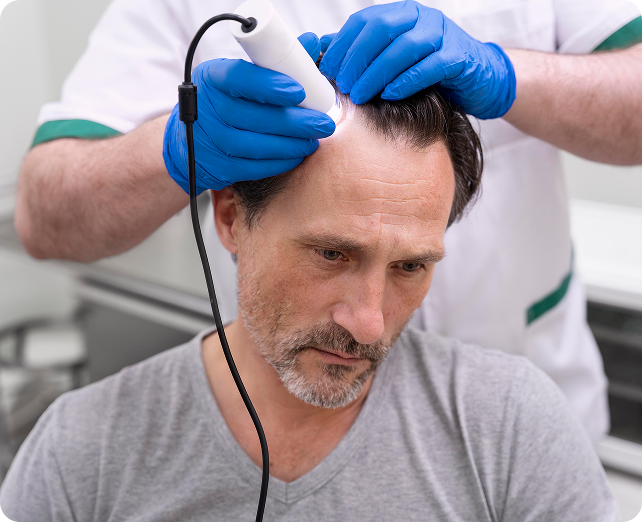
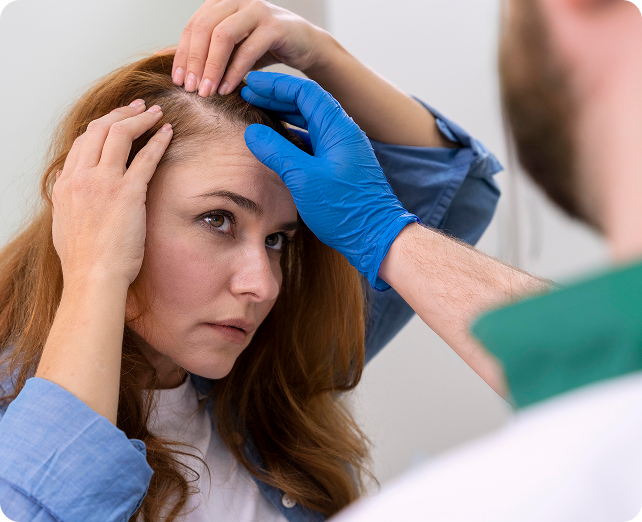
A thorough scalp examination is conducted to assess the extent of hair loss and the condition of the donor area. This examination provides valuable insights into the feasibility of the procedure.
In some cases, diagnostic tests such as blood tests or scalp biopsies may be recommended to identify underlying causes of hair loss. These tests help tailor the treatment plan to your specific needs.
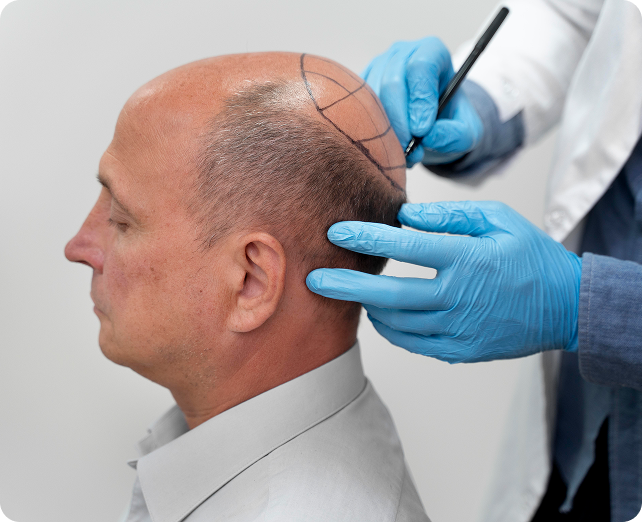
Based on the consultation and examination, we develop a personalized treatment plan. This plan outlines the number of grafts required, the technique to be used, and the expected outcomes.
Before the procedure, you will receive detailed pre-procedure instructions to ensure optimal results. This may include guidelines on medications, diet, and lifestyle modifications.
On the day of the procedure, our experienced team performs the hair transplant using state-of-the-art techniques. The procedure is minimally invasive and typically performed under local anesthesia.
After the procedure, you will receive post-procedure care instructions to promote healing and ensure the best possible results. Follow-up appointments are scheduled to monitor your progress and address any concerns.

Hair transplant is a transformative procedure that offers a permanent solution to hair loss, significantly improving self-esteem and quality of life. At Everest Regenerative Medicine in Saint Cloud, MN, we are committed to providing personalized care and utilizing advanced techniques to deliver exceptional results. Whether you are dealing with male or female pattern baldness, traction alopecia, or other hair loss conditions, our team is here to help you achieve your hair restoration goals.
For more information on our services, feel free to explore our website and learn more about the regenerative treatments we offer.