
Bursitis: Relieve Pain, Reduce Inflammation, and Restore Mobility Naturally

Bursitis treatment helps relieve pain, reduce inflammation, and restore natural mobility so you can move comfortably again.

What Is Bursitis?

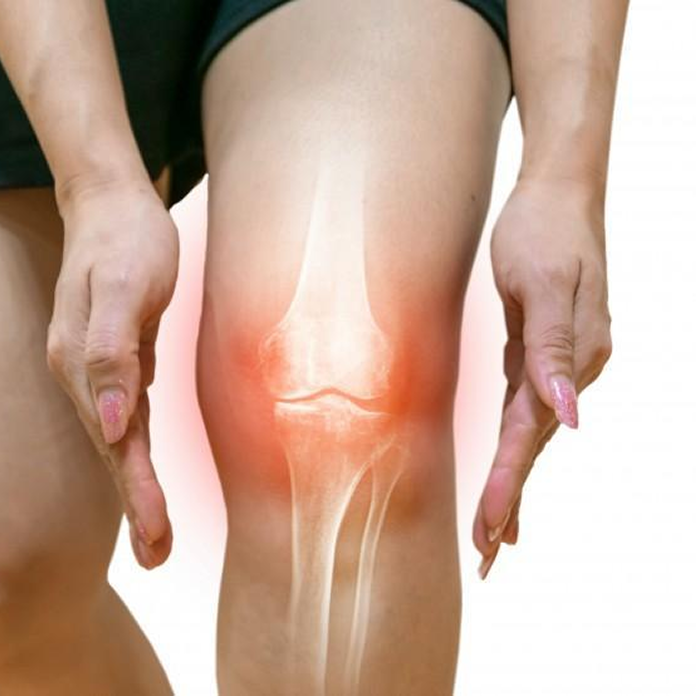
Bursitis is the inflammation of a bursa, a small, fluid-filled sac that cushions and reduces friction between bones, tendons, and muscles around your joints. When healthy, bursae act like tiny shock absorbers. When inflamed, they can become swollen, painful, and limit your ability to move freely.

Commonly affected areas include the shoulders, elbows, hips, knees, and heels—places where repetitive movement or pressure causes irritation.
While mild cases may improve with rest, chronic or recurrent bursitis often signals deeper issues such as tissue degeneration, poor biomechanics, or inflammation that the body can no longer resolve on its own.

At Everest Regenerative Medicine, we specialize in helping your body do what it’s designed to do—heal itself. Through advanced regenerative therapies, we aim to reduce inflammation, restore joint function, and regenerate damaged tissue so you can move without pain or limitation.

What Causes Bursitis?

Bursitis develops when excessive friction, pressure, or strain causes the bursa to become inflamed. The exact cause can vary depending on lifestyle, activity, or underlying health factors. Common causes include:

Repetitive motion or overuse

Frequent lifting, kneeling, or throwing motions can irritate the bursa.

Acute trauma

A fall, direct blow, or sudden strain may inflame or rupture the bursa.

Chronic pressure

Occupations or habits (kneeling, leaning on elbows, or prolonged sitting) can lead to chronic inflammation.

Poor biomechanics or posture

Misalignment of the joints increases uneven stress and friction.

Age-related tissue changes

As we age, tendons lose elasticity, making bursae more prone to irritation.

Infection (septic bursitis)

Less common, but serious; caused by bacteria entering through a skin break near the bursa.

Underlying inflammatory conditions

Diseases such as rheumatoid arthritis, gout, or thyroid imbalance can contribute to bursitis.

At Everest, we identify and treat both the surface inflammation and the underlying factors—whether structural, metabolic, or lifestyle-related—so healing becomes sustainable, not temporary.

What Symptoms Will I Experience with Bursitis?

If left untreated, inflammation may become chronic—causing thickening of the bursa and persistent pain. Early intervention helps prevent tissue damage and recurrence.

Bursitis symptoms can range from mild irritation to severe, movement-limiting pain. The location and intensity depend on which bursa is affected. Common symptoms include:

Localized pain and tenderness around a joint (shoulder, elbow, hip, knee, or heel)

Swelling or visible puffiness over the affected area

Warmth or redness (in inflammatory or infected cases)

Stiffness or limited movement, especially after inactivity

Pain that worsens with movement or pressure

A dull ache that persists, especially at night

What Should I Try at Home Before Seeing a Provider for Bursitis?

If your bursitis is mild or just beginning, several at-home steps can help calm inflammation and protect the joint:

Rest the affected area

Avoid repetitive motions or prolonged pressure on the joint.

Apply ice

Ice packs for 15–20 minutes, several times a day, can reduce inflammation and swelling.

Elevate when possible

Elevating the limb may help minimize swelling.

Stretch and move gently

Light movement helps circulation without aggravating the joint.

Supportive equipment

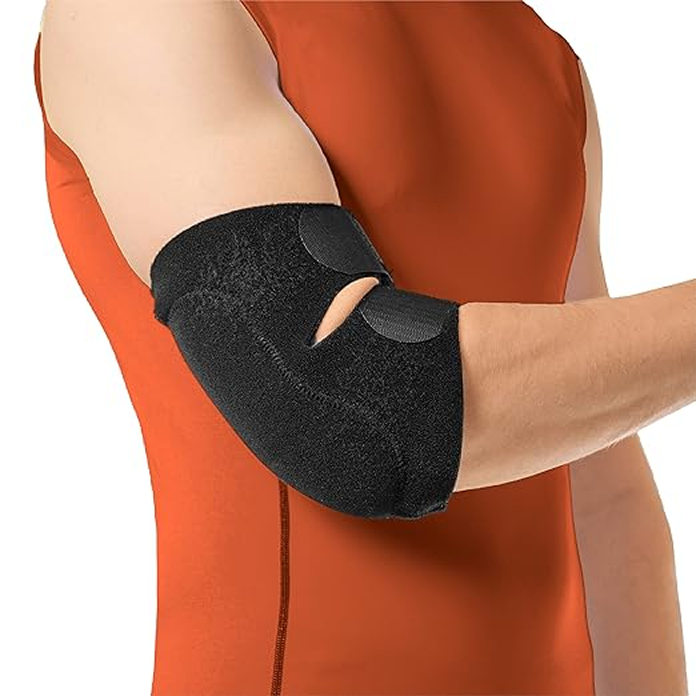
Use pads, cushions, or braces if kneeling, leaning, or repetitive pressure is unavoidable.

Stay hydrated and eat anti-inflammatory foods

Omega-3 fats, leafy greens, and antioxidants help the body reduce inflammation naturally.

Avoid long-term NSAID use

Over-the-counter pain relievers can help temporarily, but they don’t fix the underlying issue and may hinder long-term tissue repair.

If pain persists longer than two weeks, worsens, or becomes recurrent, it’s time to seek professional help. That’s where regenerative medicine can help—not just relieve pain, but repair the tissue environment causing the inflammation.

Best Treatment Options for Bursitis

At Everest Regenerative Medicine, we specialize in non-surgical, regenerative therapies that activate your body’s natural healing response and restore joint function at the source. Our treatments are designed to reduce inflammation, regenerate soft tissue, and enhance long-term resilience.

Platelet-Rich Plasma (PRP) Therapy

PRP therapy uses your own concentrated platelets—rich in growth factors—to stimulate tissue repair, reduce inflammation, and promote collagen regeneration. It’s highly effective for shoulder, hip, knee, and elbow bursitis.

Exosome Therapy

Exosomes are cell-derived messengers that enhance cellular repair and modulate inflammation. Injected into the affected area, they promote regeneration of the bursal tissue and surrounding tendons.

Ozone Therapy

Ozone improves local oxygenation and reduces oxidative stress, helping to detoxify and calm inflamed tissues while stimulating natural healing.

Peptide Therapy

Healing peptides—like BPC-157 and TB-500—boost repair and reduce inflammation at a molecular level. They’re ideal for chronic or recurrent bursitis and can be combined with PRP for amplified healing.

Hormone and Nutrient Optimization

Hormonal imbalances or nutritional deficiencies can weaken tissue integrity and delay recovery. We assess and correct these to maximize your body’s regenerative potential.

Functional Rehabilitation

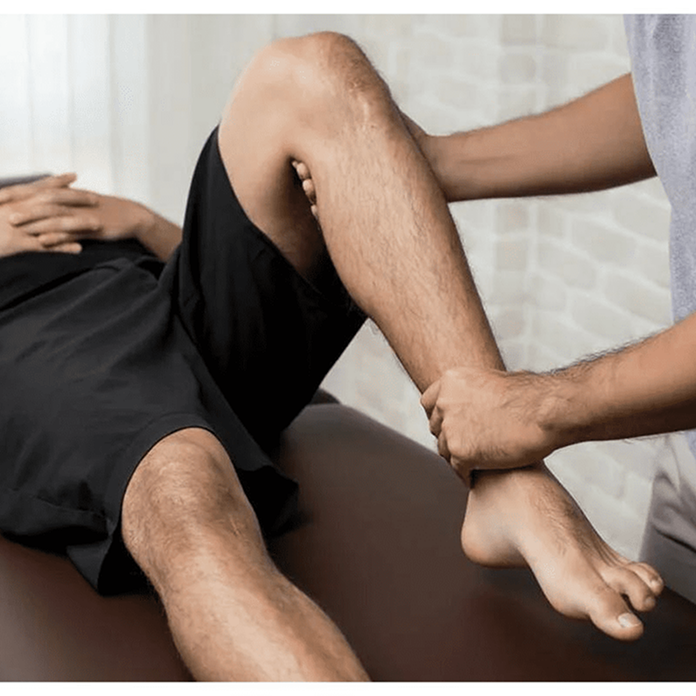
Once inflammation subsides, we guide you through safe, targeted movements to strengthen supporting muscles and restore natural biomechanics—preventing recurrence.
At Everest, every plan is personalized. We combine advanced science with genuine partnership—helping you feel, move, and perform better than before.

Our Process for Treating Bursitis

At Everest Regenerative Medicine, healing begins with collaboration and continues through care. Here’s what you can expect:

Consultation & Listening

We start by understanding your pain—where it began, how it affects your life, and what goals you have for recovery. You’re more than a diagnosis—you’re a partner in your healing journey.

Comprehensive Evaluation

We perform a physical exam and, if needed, imaging to confirm the diagnosis and identify contributing factors (biomechanics, inflammation, hormones, or prior injuries).

Personalized Treatment Plan

Based on your results, we create a tailored regenerative plan—combining therapies like PRP, exosomes, peptides, ozone, and targeted rehabilitation.

Precise, Minimally Invasive Treatment

Our procedures are done in-office under controlled, sterile conditions—typically requiring little to no downtime.

Active Recovery & Optimization

We guide you through gentle movement and strengthening protocols to restore mobility and function safely.

Long-Term Support & Prevention

We provide ongoing care, monitoring your progress and helping you maintain a healthy, balanced musculoskeletal system.

This holistic, regenerative process doesn’t just manage inflammation—it helps you rebuild the health of your joints and tissues for the long term.

At Everest Regenerative Medicine, we go beyond temporary relief, helping your body regenerate naturally through science-backed, minimally invasive therapies that restore balance, strength, and confidence.