
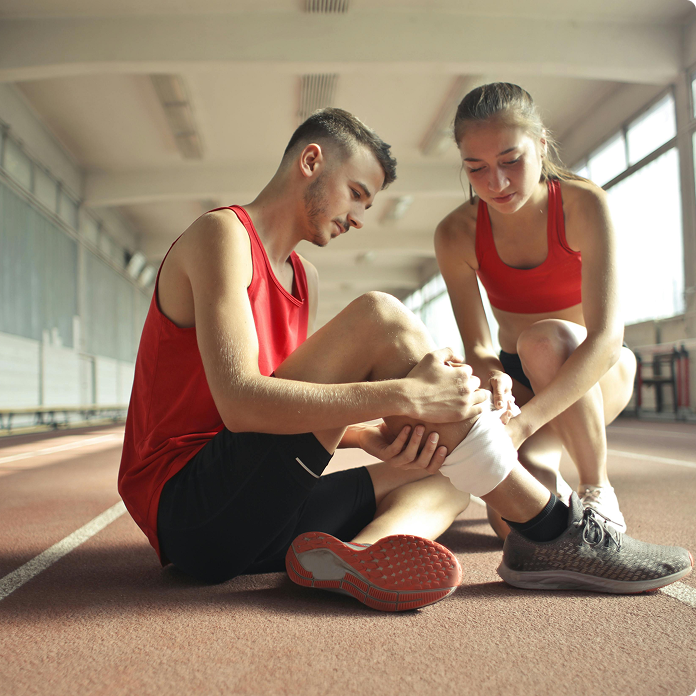
Sports injury treatments use regenerative medicine to support faster healing, stronger recovery, and smarter, long-term performance.
Sports injuries are musculoskeletal injuries that occur during exercise, athletic training, or physical activity. They can affect muscles, tendons, ligaments, joints, and bones, and range from mild sprains to severe tears or fractures. While some injuries happen suddenly, others develop over time from repetitive motion, overtraining, or poor mechanics.
At Everest Regenerative Medicine, we specialize in non-surgical, regenerative approaches to healing sports injuries. Our treatments go beyond short-term pain relief—they’re designed to activate your body’s natural repair systems, helping you recover faster and return to peak performance. Whether you’re a competitive athlete or simply want to stay active and pain-free, our focus is to help you restore, rejuvenate, and elevate your vitality.
Sports injuries are often caused by a combination of acute trauma, repetitive strain, and improper recovery. Even when athletes are in great shape, small imbalances or overloads can lead to breakdown over time. Common causes include:
Continuous motion (running, swinging, or jumping) can lead to microtears in muscles or tendons.
Poor biomechanics increase stress on joints and soft tissue.
Collisions, falls, or abrupt direction changes can cause sprains, fractures, or dislocations.
Weak or underdeveloped stabilizing muscles create uneven strain.
Tired muscles can’t absorb shock or stabilize joints effectively.
Old injuries weaken structural integrity, increasing re-injury risk.
Cold, tight muscles are more prone to injury.
At Everest, we look deeper than just the “what happened.” Our providers identify why the injury occurred—biomechanical, hormonal, or systemic factors—and build a plan that helps your body regenerate and prevent future injuries.
Chronic injuries may feel like nagging tightness or dull pain that never fully goes away. Ignoring symptoms or “pushing through the pain” can lead to scar tissue formation, chronic inflammation, and long-term weakness.
At Everest Regenerative Medicine, our goal is to stop the pain cycle—and rebuild the structure and function of the injured tissue naturally.
The symptoms of a sports injury depend on the area affected and the severity of the damage. Common symptoms include:
Sharp or aching pain during or after activity
Swelling or bruising near the injury site
Reduced strength or flexibility
Limited range of motion
Tenderness to touch
Popping, clicking, or instability in the joint
Stiffness or soreness that worsens with use
Recurring pain after training despite rest
If you’ve recently experienced pain or strain, there are steps you can take at home to manage early symptoms and promote healing:
Avoid aggravating movements and allow your body to begin healing.
Apply ice for 15–20 minutes, several times per day, especially after activity.
Use elastic wraps or braces to support the joint and reduce swelling.
After the acute phase, light stretching and movement help maintain circulation.
Protein, collagen, omega-3s, and electrolytes support recovery.
Deep sleep is when your body releases growth hormones critical for tissue repair.
Overusing NSAIDs can slow true healing by blocking necessary inflammation signals.
If your pain lasts more than a week, limits your movement, or keeps returning, it’s time to see a regenerative medicine provider who can help you heal—not just manage symptoms.
At Everest Regenerative Medicine, we use advanced, evidence-based regenerative treatments to accelerate recovery, reduce inflammation, and restore optimal performance—without surgery or long downtime.

PRP uses concentrated platelets from your own blood—rich in growth factors—to stimulate new tissue growth, repair tendons, and reduce inflammation. It’s ideal for conditions like tendonitis, ligament sprains, and muscle tears.

Exosomes are tiny cell messengers that promote cellular regeneration and communication. They enhance healing at the molecular level, helping to restore damaged tissue and improve recovery outcomes.

Ozone improves oxygenation, circulation, and metabolic function in injured tissues—reducing inflammation and promoting natural healing at a cellular level.

Peptides like BPC-157 and TB-500 are known to accelerate soft tissue repair, improve recovery time, and strengthen tendons and muscles post-injury.

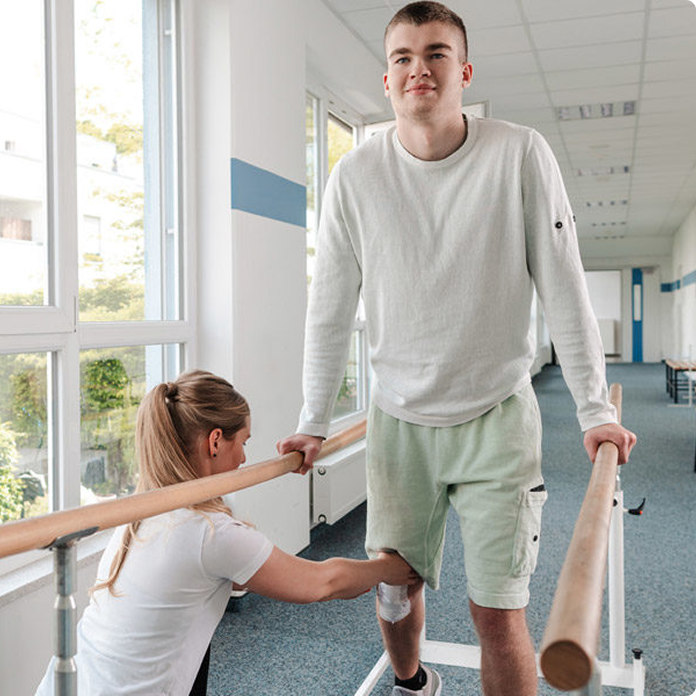
We integrate functional rehabilitation into your plan to restore mobility, coordination, and strength—addressing not only the injury but also the mechanics that led to it.

Low hormones or nutrient deficiencies can impair recovery. We assess and optimize your internal environment to ensure your body has everything it needs to rebuild stronger.
Each treatment plan at Everest is customized—because every athlete’s body, goals, and recovery timeline are unique.
At Everest Regenerative Medicine, we view your recovery as a partnership. Our process is comprehensive, personalized, and focused on results.
We start by understanding your activity level, sport, training patterns, and goals. You’re not just a patient—you’re a partner in the healing process.
We perform a physical exam, assess movement patterns, and use diagnostic imaging (if needed) to determine the type and extent of your injury.
We design a regenerative plan tailored to your body—combining PRP, exosomes, ozone, peptides, or other therapies—to repair tissue and accelerate recovery.
In-office procedures are performed under sterile conditions with precision and minimal downtime.
As you heal, we guide you through a functional rehabilitation plan that restores balance, mobility, and confidence in movement.
Once you’ve recovered, we continue to support your performance through movement analysis, hormone optimization, and maintenance therapy.
Our goal: help you recover faster, perform better, and stay stronger for the long run.
At Everest Regenerative Medicine, we combine advanced technology with compassionate, personalized care—empowering your body to heal, rebuild, and come back even stronger.