
Tendon and Ligament Injuries: Restore Strength, Stability, and Mobility Naturally

Tendon and ligament injury treatments help restore strength, stability, and mobility using natural, regenerative approaches for faster, lasting recovery.

What Is Tendon or Ligament Injury?

Tendons and ligaments are the body’s connective tissue powerhouses—they hold everything together.
Tendons connect muscle to bone, allowing movement, while ligaments connect bone to bone, giving joints stability. When these structures are overstretched, torn, or degenerated, movement becomes painful and strength is compromised.

At Everest Regenerative Medicine, we see tendon and ligament injuries not just as “wear and tear” issues but as opportunities for true regeneration. Rather than relying solely on medications or surgery, we use advanced science-backed therapies to activate your body’s natural repair mechanisms, reduce inflammation, and rebuild tissue integrity.

Common tendon and ligament injuries include:

  • Tendonitis or tendinosis (e.g., tennis elbow, Achilles tendonitis)
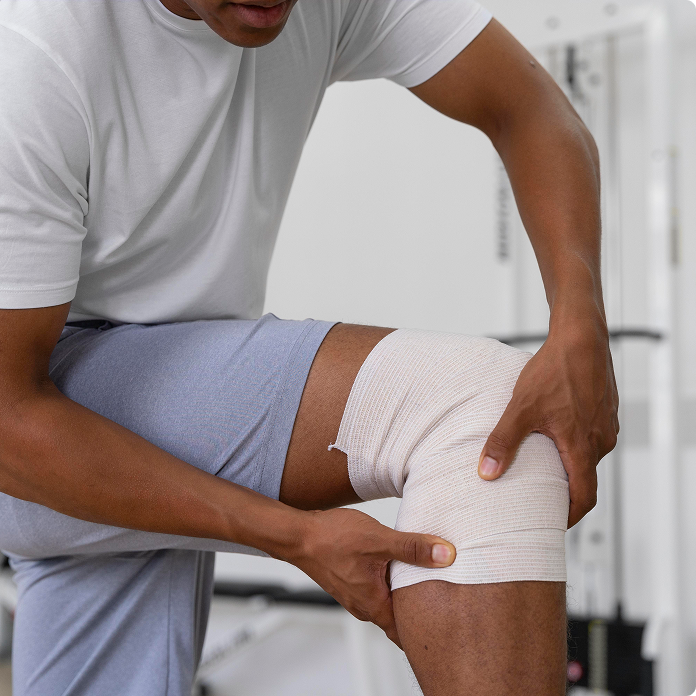
  • Ligament sprains or partial tears (e.g., ACL, MCL, ankle sprains)
  • Overuse injuries from repetitive motion or poor biomechanics
  • Chronic instability or weakness from prior injuries that never healed properly

Our goal is simple: to help you move freely again—with stability, strength, and confidence.

What Causes Tendon and Ligament Injuries?

These injuries often occur when connective tissues are overloaded beyond their capacity to adapt or recover. Common causes include:

Repetitive overuse

Repetitive motions in work or sports lead to micro-tears that weaken the tissue over time.

Sudden trauma

A twist, fall, or collision can overstretch or rupture a ligament or tendon.

Poor biomechanics or posture

Imbalances in movement or alignment put uneven stress on joints and soft tissue.

Aging and degeneration

As we age, blood flow to connective tissue decreases, reducing elasticity and slowing repair.

Inflammation and poor healing environment

Chronic inflammation prevents normal collagen rebuilding, leading to scar tissue and weakness.

Hormonal or metabolic imbalances

Low hormones, stress, or nutrient deficiencies can reduce your body’s natural repair capacity.

In many cases, the real issue isn’t the initial injury—it’s that the tissue never fully healed, leaving behind chronic pain, stiffness, and re-injury risk.

What Symptoms Will I Experience with a Tendon or Ligament Injury?

If left untreated, these symptoms can lead to chronic instability, scar tissue formation, and degeneration that makes future healing more difficult.

At Everest Regenerative Medicine, we focus on not only relieving symptoms but also restoring tissue health and resilience—so you can move with strength and confidence again.

Symptoms vary depending on which area of the body is affected, but common signs include:

Pain (sharp with movement, dull at rest, or chronic aching)

Swelling and inflammation around the joint

Weakness or instability—a feeling like the joint might “give out”

Limited range of motion or stiffness

Popping, clicking, or catching during movement

Tenderness to touch at the injury site

Slow recovery after physical activity or repetitive strain

What Should I Try at Home Before Seeing a Provider for Tendon and Ligament Injuries?

Before scheduling a clinical visit, you can take steps at home to reduce strain and support recovery:

Rest, but don’t immobilize completely

Avoid high-stress movements that aggravate pain, but keep gentle mobility to prevent stiffness.

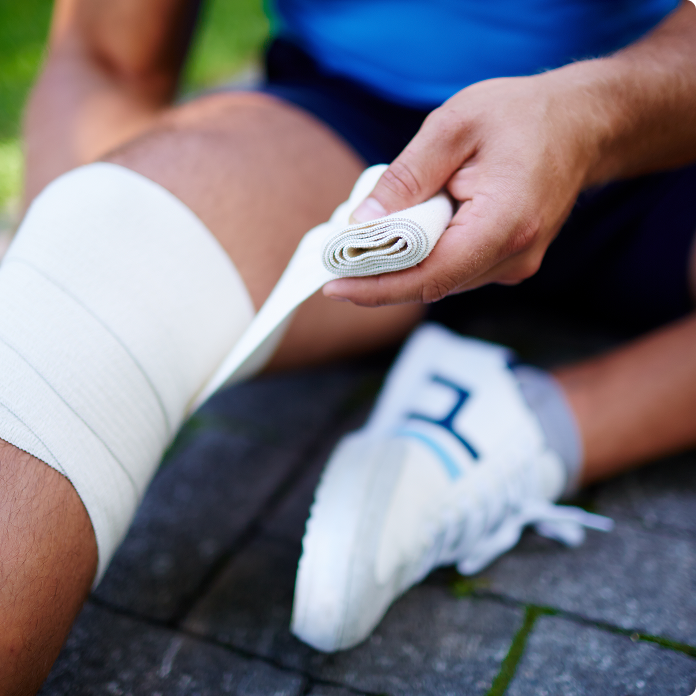
Use the R.I.C.E. method

Rest, Ice (20 minutes), Compression, and Elevation can help manage acute inflammation within the first 48 hours.

Support with nutrition

Collagen-rich foods (bone broth, citrus, leafy greens) and supplements like vitamin C, zinc, and omega-3s support tissue repair.

Stay hydrated

Connective tissues depend on hydration for flexibility and healing.

Gentle stretching and mobility work

Once swelling subsides, mild range-of-motion exercises can help circulation.

Avoid chronic anti-inflammatories

Overusing NSAIDs can delay true healing by suppressing necessary inflammatory signals for tissue repair.

Evaluate footwear and posture

Supportive shoes and ergonomic adjustments can reduce unnecessary strain.

If pain persists for more than 2–3 weeks, worsens with movement, or limits your ability to perform daily activities, it’s time to see a regenerative medicine provider who can assess the true cause and accelerate healing.

Best Treatment Options for Tendon and Ligament Injuries

At Everest Regenerative Medicine, our approach to tendon and ligament injuries goes far beyond conventional care. We use advanced regenerative and functional therapies to repair tissue from the inside out—addressing both the pain and the root cause.

Platelet-Rich Plasma (PRP) Therapy

PRP uses a concentration of your own platelets and growth factors to stimulate collagen production, enhance blood flow, and accelerate natural repair. Ideal for tendonitis, ligament sprains, and chronic injuries, PRP helps rebuild strong, healthy tissue.

Exosome Therapy

Exosomes are microscopic messengers that direct cellular regeneration. By signaling your body’s stem cells to repair and remodel damaged connective tissue, exosome therapy supports deeper, more efficient healing.

Ozone Therapy

Ozone increases oxygen utilization in tissue, reduces inflammation, and stimulates local healing. It’s especially useful for chronic pain or slow-healing tendon injuries.

Peptide Therapy

Specific peptides (like BPC-157 or TB-500) are known to enhance tissue regeneration, support collagen repair, and reduce inflammation at the cellular level—often used in combination with PRP or exosomes.

Functional Movement Rehabilitation

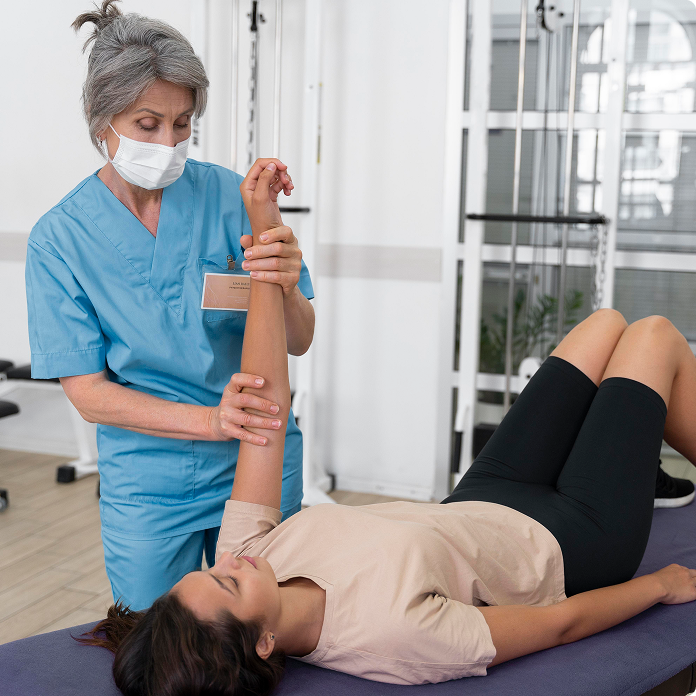
Once your tissues begin healing, our providers guide you through customized mobility and strengthening exercises to restore function, prevent re-injury, and optimize biomechanics.

Hormone and Nutrient Optimization

We assess and address hormonal or nutritional deficiencies that may limit your ability to recover, ensuring your entire system supports repair and resilience.
Our philosophy is simple: restore function, not just mask pain—so you can move confidently, perform better, and live pain-free.

Our Process for Treating Tendon and Ligament Injuries

At Everest Regenerative Medicine, healing is a partnership between advanced science and compassionate care. Here’s what to expect:

Comprehensive Consultation & Listening

We begin by understanding your story—when the injury started, how it impacts your life, and what your goals are. You’re someone, not a file.

Advanced Diagnostic Evaluation

Our providers assess range of motion, functional strength, and imaging (if needed) to pinpoint the extent of the injury and the true underlying cause.

Personalized Treatment Plan

We design a plan tailored to your biology and lifestyle—combining regenerative therapies (PRP, exosomes, ozone, peptides) with nutritional, hormonal, or functional support.

Targeted Regenerative Treatment

 In-office procedures are minimally invasive, performed under sterile, precise guidance to ensure optimal placement and safety.

Recovery & Optimization

As your tissues regenerate, we monitor your progress, adjust your plan, and guide your return to movement—ensuring long-term strength and stability.

Sustained Support & Prevention

  1. Once healing is complete, we help you maintain balance and prevent future injuries with ongoing education and wellness strategies.


At Everest Regenerative Medicine, we don’t just help you recover; we help you regenerate. Through advanced science, personalized care, and whole-body optimization, you can rebuild the strength, flexibility, and stability that make you unstoppable.