
Tennis Elbow treatment reduces chronic pain, supports natural healing, and restores strength so you can move comfortably and confidently again.
Tennis Elbow—clinically known as Lateral Epicondylitis—is a common condition that causes pain and inflammation on the outer part of the elbow. Despite its name, it doesn’t just affect tennis players. It can develop in anyone who performs repetitive arm, wrist, or hand movements—from athletes and weightlifters to carpenters, mechanics, and office workers.
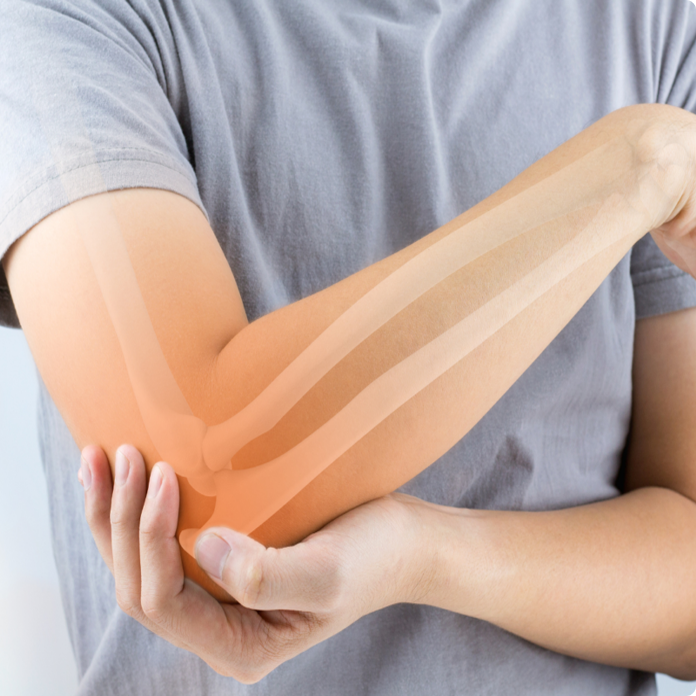
The pain occurs where the forearm tendons attach to the lateral epicondyle, the bony bump on the outside of the elbow. Over time, these tendons can develop micro-tears, leading to chronic inflammation, weakness, and stiffness that limit daily function.
At Everest Regenerative Medicine, we specialize in treating the root cause of Tennis Elbow through advanced regenerative therapies that help your body repair, strengthen, and restore itself—without surgery or long-term medication. Our approach goes beyond symptom relief to promote true tendon healing and long-term mobility.
Tennis Elbow is primarily caused by repetitive stress and overuse of the forearm muscles and tendons. However, it can also be linked to underlying inflammation, poor biomechanics, or systemic factors that reduce tissue recovery. Common causes include:
Activities like tennis, golf, weightlifting, painting, typing, or using tools.
Tendons naturally lose elasticity and blood flow as we age, slowing repair.
Working at a computer or desk without proper arm and wrist support can trigger chronic irritation.
Excessive gripping, lifting, or twisting motions strain the tendons over time.
When supporting muscles are weak, the tendons absorb more load.
Low hormones, poor circulation, or systemic inflammation can delay healing.
At Everest, we don’t just look at where it hurts—we look at why it hurts. Our team evaluates biomechanics, muscle balance, and whole-body factors to help your tendons recover and stay strong.
If ignored, chronic tendon irritation can lead to degeneration and scar tissue formation, making it harder for the tendon to heal naturally. Early treatment is key to avoiding long-term pain and weakness.
Symptoms of Tennis Elbow usually develop gradually and worsen over time. You may experience:
Pain or burning on the outer side of the elbow
Weak grip strength (trouble shaking hands, holding objects, or lifting a coffee cup)
Stiffness or soreness in the forearm or wrist
Tenderness at the bony bump on the outside of the elbow
Pain that worsens with repetitive movement
Discomfort that radiates from the elbow down to the wrist or hand
Difficulty performing daily tasks such as typing, gripping, or twisting lids
If your pain is mild or recent, you can take several steps at home to ease symptoms and support healing:
Avoid repetitive movements or gripping tasks that worsen pain.
Use cold packs for 15–20 minutes several times daily to reduce inflammation.
Stretch the wrist extensors by gently bending your wrist downward with the elbow straight.
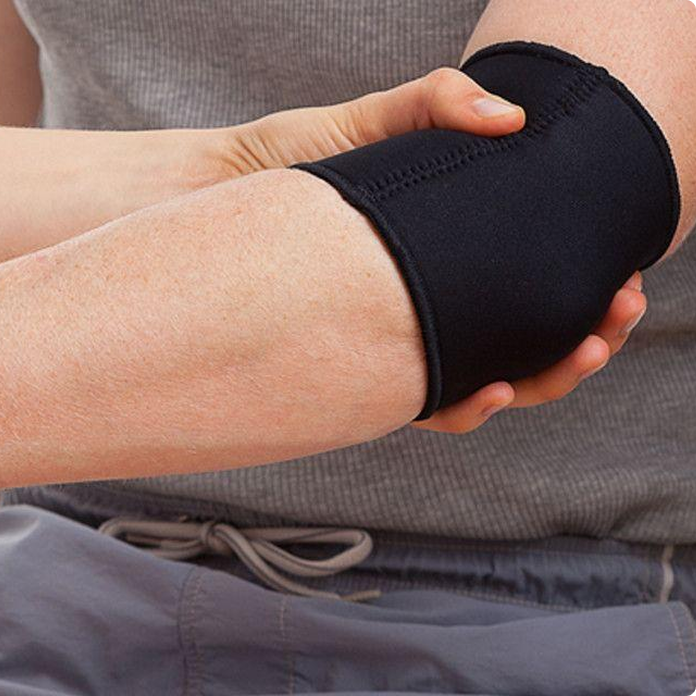
A forearm strap can reduce tension on the tendon during daily activities.
Gentle forearm massage or foam rolling can improve circulation.
Adjust your workspace to reduce strain on your wrists and forearms.
Omega-3s, turmeric, berries, and leafy greens support tissue repair.
If pain persists for more than two weeks or interferes with your work or exercise, it’s time to see a regenerative medicine specialist who can restore tendon health at the cellular level.
At Everest Regenerative Medicine, we use non-surgical, science-driven regenerative therapies that repair the damaged tendon tissue, reduce inflammation, and restore long-term strength and function.

PRP therapy uses your own concentrated platelets—rich in healing growth factors—to stimulate collagen repair and regenerate damaged tendon fibers. PRP is one of the most effective natural treatments for chronic Tennis Elbow and is supported by clinical research for long-term success.

Exosomes are tiny cellular messengers that promote regeneration and reduce inflammation at the molecular level. They can be used alone or combined with PRP to enhance tendon repair.

Ozone injections improve oxygenation and microcirculation in the injured tissue, helping to reduce oxidative stress and accelerate recovery.

Specific healing peptides like BPC-157 and TB-500 support tissue regeneration, reduce inflammation, and enhance recovery—especially for stubborn or chronic cases.

Once inflammation decreases, guided exercises help restore mobility, flexibility, and tendon strength, preventing future flare-ups.

We evaluate and address any hormonal or nutrient deficiencies that may limit your body’s healing potential—ensuring you recover faster and stay stronger.
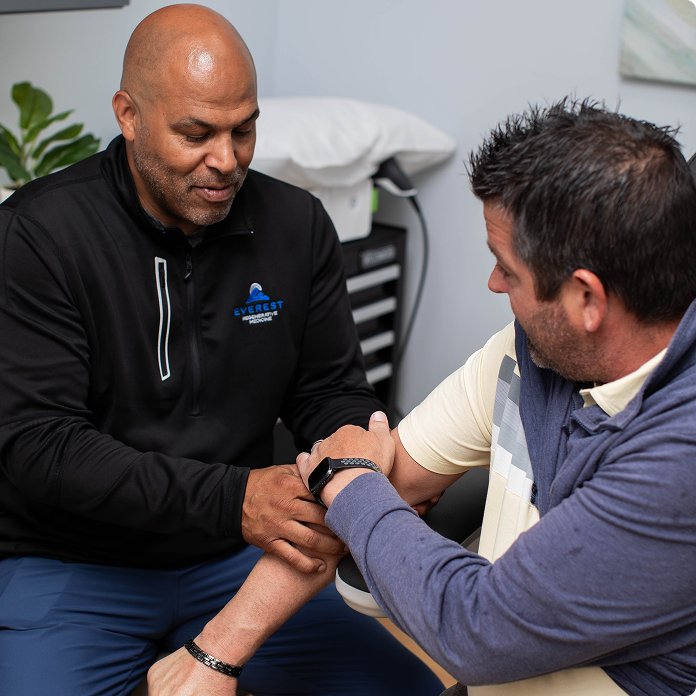
Each treatment plan is customized to your needs, injury severity, and lifestyle—because true healing isn’t one-size-fits-all.
At Everest Regenerative Medicine, healing is a partnership. Our approach combines precision medicine with compassionate, personalized care.
We begin by understanding your history, activity level, and daily challenges. You’re not just a chart—you’re a person with goals for recovery.
We assess your range of motion, tendon health, and muscle balance, using imaging if needed to confirm the diagnosis and rule out other causes of elbow pain.
Based on your findings, we develop a plan using PRP, exosomes, ozone, or peptides—combined with functional rehab for full recovery.
In-office procedures are performed under sterile conditions with little to no downtime—most patients return to light activity quickly.
Once healing begins, we guide you through specific exercises to rebuild tendon integrity and prevent recurrence.
We track your progress and provide lifestyle and ergonomic recommendations to maintain long-term tendon health.
Our method goes beyond treating pain—it helps restore performance and prevent future injury.
Tennis Elbow can make simple tasks frustrating—but it doesn’t have to define your life. With regenerative medicine, you can move beyond temporary relief and experience true healing from within.
At Everest Regenerative Medicine, we combine cutting-edge science with compassionate care to help you rebuild your strength, restore function, and get back to doing what you love—pain-free.